
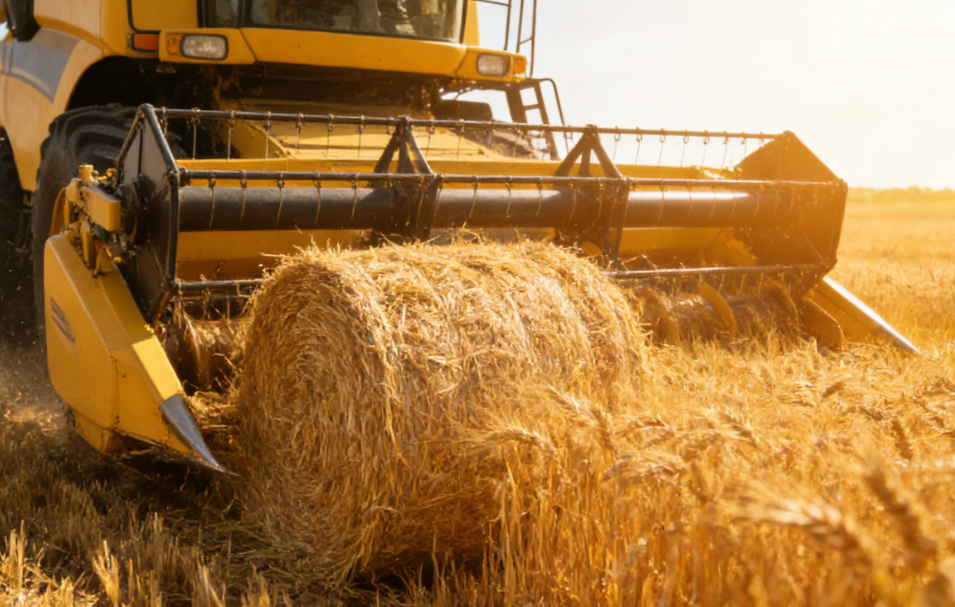
In the world of industrial farming, downtime is the enemy of profit. Whether you are managing a fleet of tractors in Brazil or harvesters in Australia, the condition of your agricultural wheels and rims dictates your machine’s efficiency.
Neglecting wheel maintenance doesn’t just lead to flat tires; it leads to cracked rims, axle damage, and increased fuel consumption. Here is how to protect your investment and keep your fleet moving at peak performance.
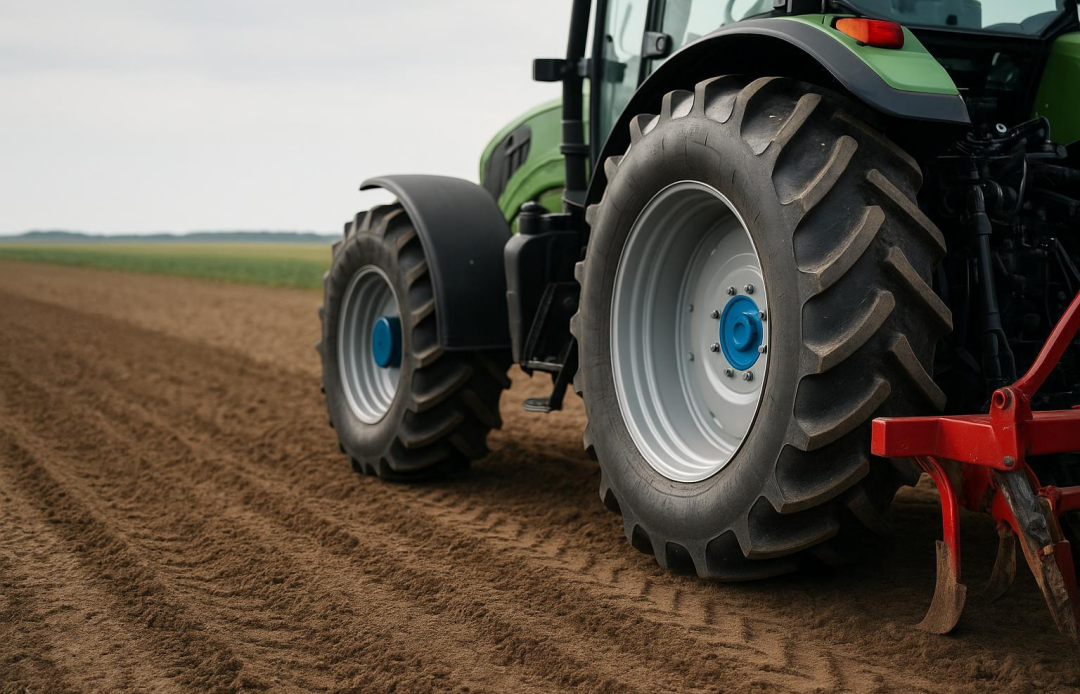
1. Master the Art of Torque Management
New wheels often “settle” after their first few hours of heavy labor. Metal-to-metal surfaces find their seat, which can lead to a slight loosening of fasteners.
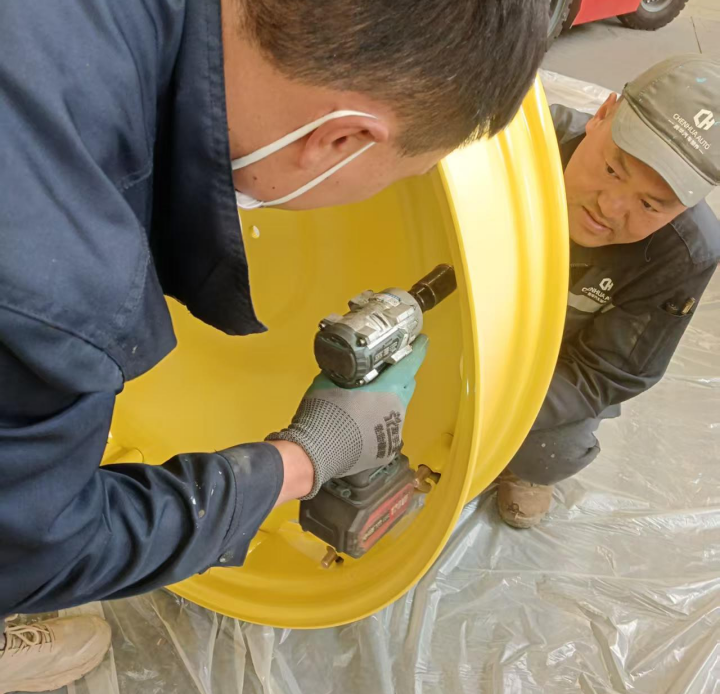
- The Rule: Always re-check wheel nut torque after the first 10 to 50 hours of operation.
- Why it matters: Loose nuts cause vibrations that lead to “wallowed-out” bolt holes. Once the holes are oval-shaped, the rim is compromised and usually requires a full replacement.
2. Match Tire Pressure to the Load
Running a tire at the wrong pressure is the fastest way to ruin even the highest-quality steel wheel.
- Under-inflation: Causes excessive sidewall flex and heat buildup, putting extreme lateral stress on the rim flange.
- Over-inflation: Reduces the “cushion” effect, forcing the metal wheel to absorb 100% of the shock from rocky soil or uneven terrain, leading to structural fatigue.
3. Inspect the “Rim Flange”
The flange is the critical edge of the wheel that holds the tire bead in place. In sandy or abrasive soils, grit can get trapped between the rubber and the steel, acting like sandpaper.
- Pro Tip: During every tire change, clean the flange thoroughly with a wire brush. Inspect for thinning metal or sharp edges that could slice into a new tire bead.
4. Manage Ballast Corrosivity
Many international farmers use liquid ballast (such as Calcium Chloride) to increase traction and lower the center of gravity.
- The Danger: If a tube leaks, these salts will corrode steel wheels from the inside out within months.
- The CHENHUA Solution: Ensure your wheels have a high-quality electrocoat (E-coat) or powder-coated finish. At CHENHUA, our wheels undergo rigorous coating processes to provide a superior chemical barrier against such corrosive elements.
5. Check for Structural Fatigue
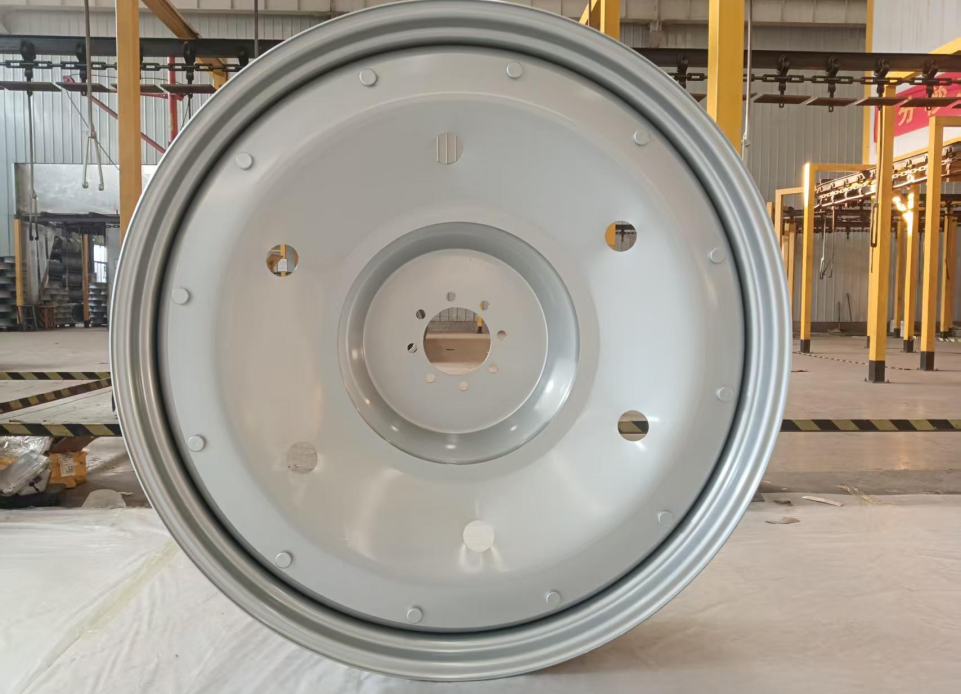
Once a year, perform a “visual health check” on the wheel discs and center centers. Early detection saves thousands in secondary damage. Look for:
- Hairline cracks around the center bore or bolt circle.
- Rust streaks “bleeding” from nuts (a definitive sign of movement/looseness).
- Paint flaking, which often indicates the metal underneath is flexing or fracturing.
Conclusion: Quality Wheels Require Quality Care
By following these five steps, you can significantly reduce your operational costs and avoid frustrating mid-season breakdowns.
At CHENHUA, we manufacture our wheels to withstand the harshest global environments—from the heat of South American fields to the vast plains of Australia. However, regular maintenance remains the ultimate key to durability.
Looking for heavy-duty wheels built for the toughest jobs? or contact our Technical Support Team today to request a comprehensive Wheel Maintenance Guide.